How to Check on Your Dog Without Taking Your Eyes Off the Road
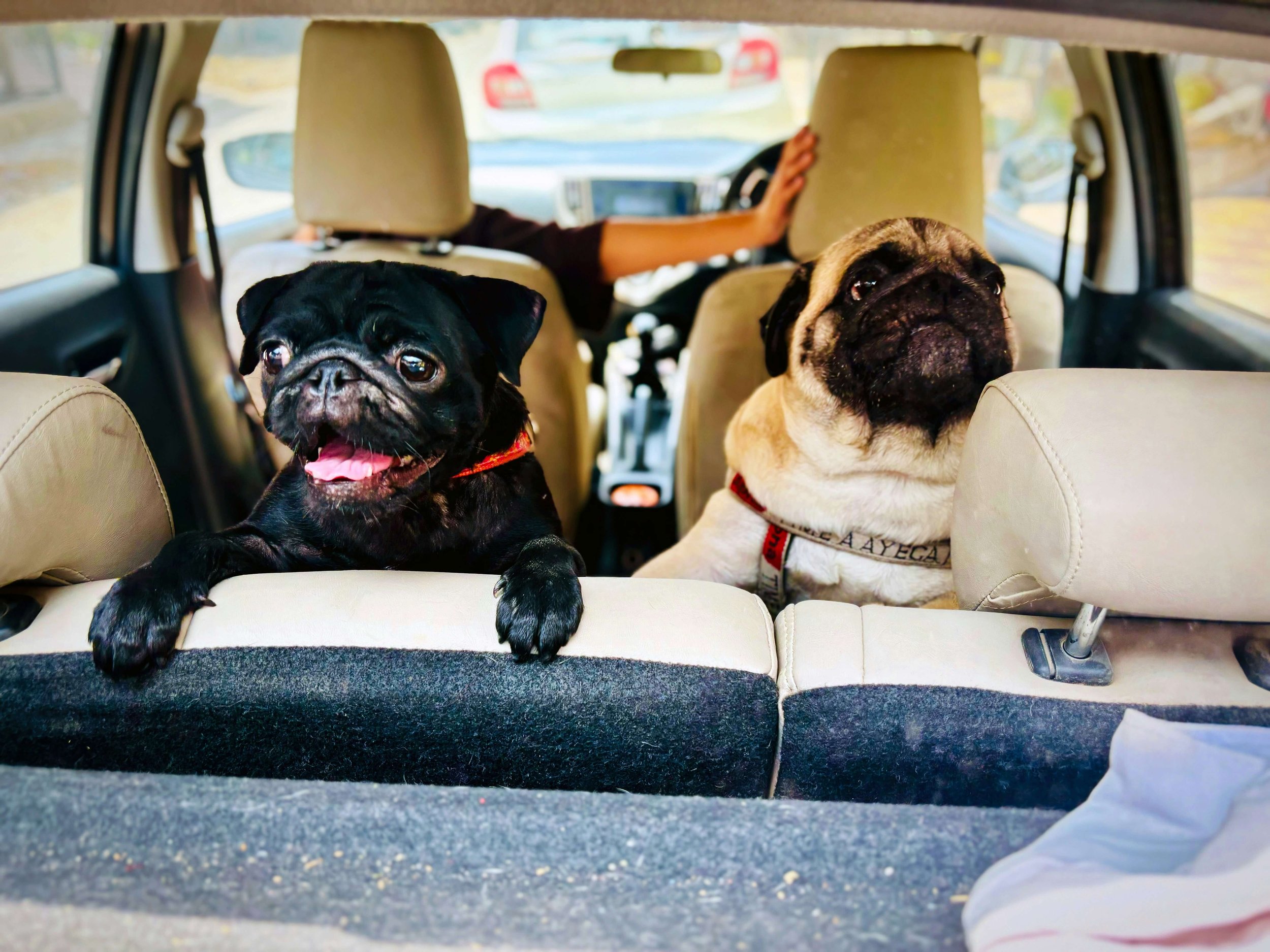
You're driving down the highway when you hear it: silence. Your usually active dog has gone quiet in the back seat. Is everything okay? Is she sleeping peacefully or has something gone wrong? Your instinct screams at you to turn around and check.
But here's the problem: taking your eyes off the road to look at your dog is exactly the kind of distracted driving that causes accidents. According to the National Highway Traffic Safety Administration, taking your eyes off the road for just two seconds doubles your risk of a crash.
So how do you balance being a responsible pet owner with being a safe driver? Let's solve this common dilemma.
The Turning-Around Problem
When you turn to check on your dog in the back seat, several dangerous things happen simultaneously:
Your eyes leave the road: At 60 mph, you travel 88 feet per second. A two-second glance backward means you've traveled 176 feet completely blind to what's ahead.
Your body position shifts: Turning your torso changes your relationship with the steering wheel and pedals, making it harder to respond quickly to hazards.
Your peripheral vision is compromised: Even as you turn back, it takes your eyes a moment to refocus on the road ahead.
You create a pattern: The more you check, the more your dog might react to your attention, creating a cycle of distraction.
Many pet parents don't realize how dangerous this habit is because nothing bad happens—until suddenly something does.
The Rearview Mirror Limitation
You might think, "I'll just use my rearview mirror!" Smart thinking, but there's a catch: standard rearview mirrors are designed to show you the road behind your vehicle, not the back seat. Depending on your dog's size and where they're positioned, you might see nothing but the back of a headrest or a partial view at best.
This limitation forces drivers into that dangerous turning-around behavior, especially with dogs who move around or lie down where they're not visible in the standard mirror.
Safe Monitoring Solutions
Fortunately, you have several options for keeping tabs on your backseat passenger safely:
Panoramic Clip-On Mirrors
These wider mirrors clip directly onto your existing rearview mirror, extending your field of view to include the entire back seat area. Unlike baby mirrors that mount on the back seat headrest (requiring you to look up and back), clip-on panoramic mirrors let you see your dog in your natural line of sight.
Benefits:
No turning around required
Instant installation (literally clips on in seconds)
See entire back seat, not just one spot
Works whether your dog is sitting, lying down, or moving
Affordable ($15-40)
Universal fit for most vehicles
Considerations:
Convex designs provide wider views but slightly alter depth perception (similar to side mirrors)
Check that it won't obstruct your sun visor access
Some models come with anti-glare coating for night driving
Backseat Pet Cameras
For tech-savvy pet parents, car cameras designed for monitoring pets provide a live view on a small screen.
Benefits:
Continuous video feed
Some models offer recording capability
Clear view regardless of lighting
Can mount anywhere with good sight lines
Considerations:
More expensive ($50-150)
Requires charging or power connection
Screen placement must not obstruct view or reach
Can be overkill for routine trips
Strategic Harness Placement
Where you position your dog can maximize natural visibility:
Center back seat: Positioning your dog in the middle of the back seat (when using a harness) often provides the best natural mirror visibility.
Elevated car seats: For small dogs, car seats that elevate them make them more visible in your standard rearview mirror.
Window side for larger dogs: If your dog's head naturally reaches seat-level when lying down, window-side positioning might give you better angles.
Training Your Dog for Calm Car Behavior
The less your dog moves around unpredictably, the easier they are to monitor safely:
Building Car Calmness
Start young: Puppies who experience regular, positive car rides become calmer adult passengers.
Exercise first: A tired dog is a calm dog. A 20-minute walk before car rides can work wonders.
Routine and familiarity: Dogs who ride regularly become accustomed to the experience and settle faster.
Positive reinforcement: Reward calm behavior with treats and praise during and after rides.
Managing Anxious Dogs
If your dog gets anxious in cars:
Create a safe space: Some dogs feel more secure in a crate covered with a light blanket.
Calming aids: Talk to your vet about anxiety supplements or medications for particularly nervous dogs.
Desensitization: Start with just sitting in the parked car with treats, gradually building up to short drives.
Familiar comfort items: A favorite toy or blanket can provide reassurance.
Reading Your Dog Through Sound
Your ears can tell you a lot about what's happening in the back seat:
Normal sounds:
Gentle shifting and repositioning
Occasional sighs or yawns (signs of relaxation)
Light panting (especially on warm days)
Quiet settling sounds
Concerning sounds:
Excessive panting or whining (possible distress or overheating)
Repeated vomiting or gagging sounds (car sickness)
Aggressive scratching or chewing (anxiety or attempt to escape restraint)
Complete silence after being active (worth a safe check)
The safe way to investigate: If you hear something concerning, signal and pull over safely before investigating. Trying to simultaneously drive and address a problem in the back seat is a recipe for disaster.
Pre-Trip Preparation Reduces Need for Monitoring
The best monitoring strategy is setting up conditions that require less monitoring:
Before You Leave:
Exercise your dog: A good play session or walk before the trip helps ensure a tired, calm passenger.
Bathroom break: Always let your dog relieve themselves before getting in the car.
Comfortable temperature: Pre-cool or pre-heat the car before your dog gets in.
Proper restraint: Double-check harness fit, crate security, or car seat attachment.
Water available: For longer trips, use a spill-proof bowl attached to a secure location.
Familiar setup: Keep the back seat environment consistent—same blanket, same side of the car, same restraint system.
During the Trip:
Maintain comfortable cabin temperature: Dogs can't tell you they're too hot or cold, so err on the side of cooler temperatures.
Plan regular stops: Every 2-3 hours, plan a stop for bathroom breaks, water, and quick walks.
Avoid feeding immediately before travel: Feed 2-3 hours before departure to reduce car sickness risk.
When to Pull Over
Some situations require immediate attention. Pull over safely if you:
Hear vomiting or choking sounds
Notice your dog struggling with their restraint
See your dog exhibiting signs of severe distress
Suspect overheating (even in air conditioning)
Hear unusual sounds that might indicate injury
Need to adjust restraints or barriers
Never try to handle these situations while driving. It takes just a few seconds to signal, check mirrors, and pull onto a shoulder or into a parking lot. Those seconds are infinitely safer than attempting to solve problems while controlling a moving vehicle.
Creating Your Monitoring System
Here's a practical setup process:
Step 1: Choose your monitoring method Decide whether a clip-on mirror, camera, or strategic positioning works best for your vehicle and dog.
Step 2: Test it before driving Sit in the driver's seat with your dog properly positioned in back. Can you see them clearly without turning around? Adjust as needed.
Step 3: Practice with short trips Take a few brief drives to get comfortable with your new monitoring method. Have a passenger confirm what you can and can't see.
Step 4: Make it routine Every time you drive with your dog, use the same setup. Consistency helps both you and your dog settle into safe patterns.
The Reality Check
Yes, there will be times when you can't see your dog perfectly. That's okay. Remember:
Dogs sleep on long drives, often lying in positions you can't see—that's normal and healthy
The absence of concerning sounds usually means everything is fine
Regular stops for checking on your dog are built into responsible travel
Over-monitoring can actually increase anxiety in some dogs
The goal isn't perfect, constant visual contact. The goal is safe driving with the ability to do quick, non-distracting checks when needed.
Bottom Line: Eyes Forward, Dog Safe
The tension between wanting to check on your dog and needing to watch the road is real. But you don't have to choose between your dog's comfort and everyone's safety.
With the right monitoring setup—whether that's a simple mirror clip-on or a more elaborate camera system—you can keep tabs on your furry passenger while keeping your eyes where they belong: on the road ahead.
Because the safest car ride is one where the driver stays focused on driving, the dog stays safely restrained and comfortable, and both arrive at the destination in one piece.
Your dog trusts you to get them there safely. Setting up proper monitoring is one of the best ways to honor that trust.
Looking for a simple solution to monitor your dog while keeping your focus on the road? Explore options that work with your vehicle and driving style.