The Complete Guide to Keeping Your Dog Safe in the Car
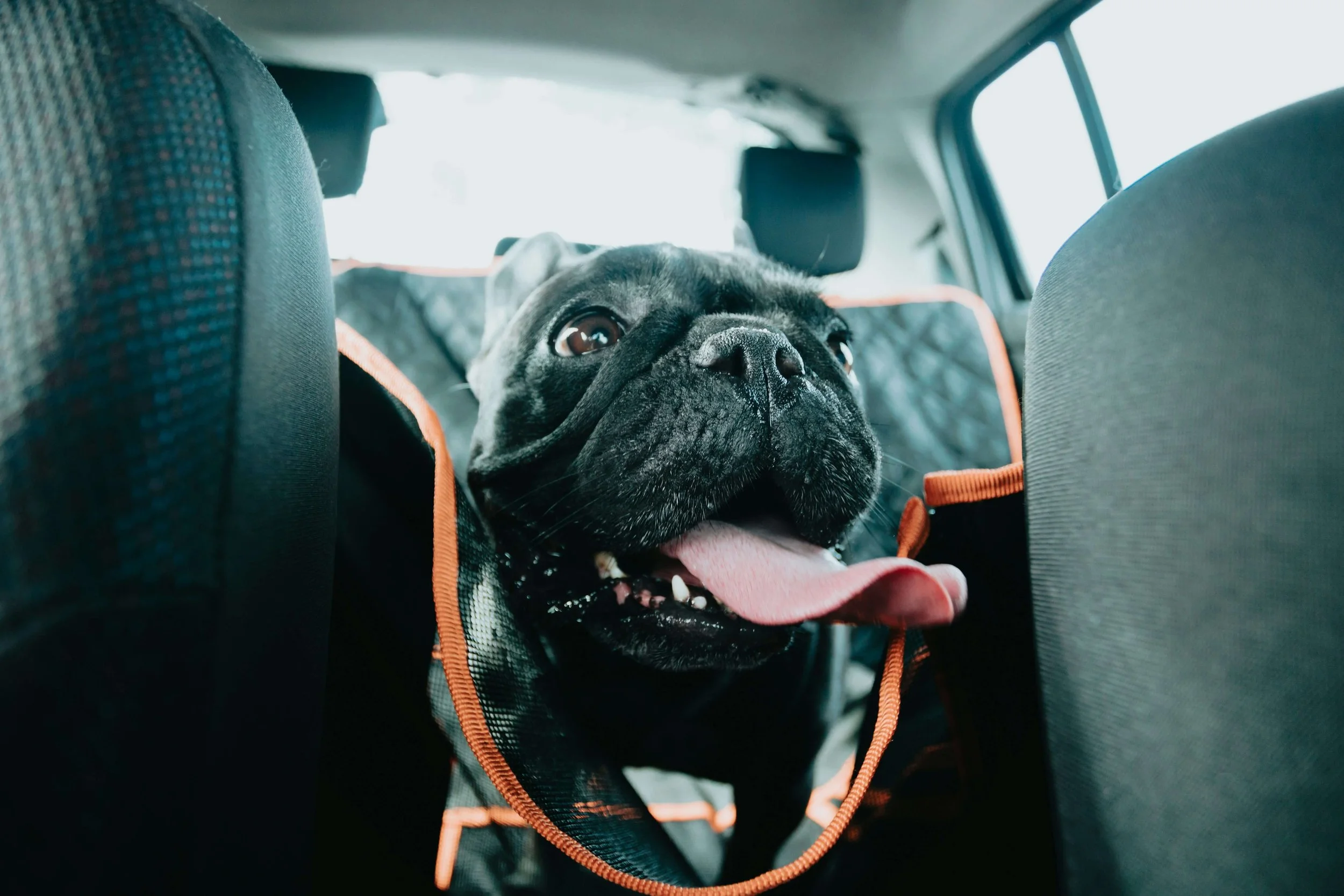
Every year, thousands of dogs ride in cars without proper safety measures—and the consequences can be devastating. Whether you're running errands around town or embarking on a cross-country road trip, your dog's safety in the car should be a top priority. This comprehensive guide covers everything you need to know about canine car safety, from choosing the right restraints to understanding the risks of common mistakes.
Why Car Safety Matters for Dogs
According to a study by the AAA Foundation for Traffic Safety, an unrestrained 10-pound dog in a crash at just 30 mph can generate approximately 300 pounds of force. For a 80-pound dog, that force can exceed 2,400 pounds. The physics are sobering: in a collision, your dog becomes a projectile that can injure themselves, you, and other passengers.
Beyond the crash risk, distracted driving with pets is a growing concern. The same AAA study found that 56% of dog owners admitted to petting their dogs while driving, and 17% allowed their dogs to sit in their laps behind the wheel. These distractions increase accident risk significantly.
The good news? Most of these dangers are entirely preventable with the right knowledge and equipment.
Understanding the Risks
Unrestrained Dogs
When dogs ride loose in the car, several dangers emerge:
Distraction to the driver: An active dog moving around the cabin, jumping between seats, or trying to climb into your lap divides your attention from the road.
Injury in sudden stops: Even a hard brake can send an unrestrained dog flying forward, potentially causing serious injury.
Airbag danger: If a dog is in the front seat when an airbag deploys, the force can be fatal, especially for small breeds.
Escape risk: An unrestrained dog can escape when you open the door, potentially running into traffic or getting lost in an unfamiliar area.
Emergency interference: In an accident, a frightened, loose dog may prevent first responders from helping injured passengers.
Front Seat Dangers
The front passenger seat might seem like a great spot to keep your dog close, but it's actually the most dangerous location in the vehicle:
Airbags can seriously injure or kill dogs, particularly smaller breeds
Dogs can interfere with the driver's ability to steer, brake, or operate controls
The front has the highest impact risk in collisions
It's illegal in some jurisdictions to have pets in the front seat
Rule of thumb: Dogs should always ride in the back seat, properly restrained.
The Window Problem
That classic image of a dog with their head out the car window might look joyful, but it's surprisingly dangerous:
Eye injuries: Debris, insects, and dust can cause serious eye damage at highway speeds
Ear infections: Constant wind can push bacteria deeper into the ear canal
Jumping risk: An excited dog can attempt to jump out, especially at stops
Injury from passing objects: Mailboxes, tree branches, and other vehicles pose collision risks
A slightly cracked window provides fresh air without these dangers.
Choosing the Right Restraint System
Just as you wouldn't ride in a car without a seatbelt, your dog needs proper restraint. Here are the main options:
Crash-Tested Harnesses
The gold standard for car safety, crash-tested dog harnesses attach to your car's seatbelt system and distribute force across the dog's chest in a collision.
Pros:
Proven safety in crash tests
Allows dogs some movement
Works for most sizes
Can double as a walking harness
Cons:
Quality harnesses can be expensive ($50-150)
Requires proper fitting
Some dogs need time to adjust
Look for: Certification from the Center for Pet Safety and proper size for your dog's weight and breed.
Travel Crates
A properly secured crate turns your car into a safe den for your dog.
Pros:
Maximum protection in accidents
Contains nervous dogs
Prevents distraction
Great for dogs who love their crates
Cons:
Takes up significant cargo space
Heavy and difficult to move
Not practical for small cars
Expensive ($100-300 for quality crates)
Look for: Crash-tested rating, proper size (dog should be able to stand and turn around), and secure attachment points to prevent crate from sliding.
Dog Car Seats
Designed for small dogs (typically under 30 pounds), these elevate your dog while keeping them restrained.
Pros:
Lets small dogs see out windows
Built-in harness attachment
Comfortable for small breeds
Compact and portable
Cons:
Not suitable for medium or large dogs
Variable crash test results
Can still allow too much movement
Look for: Sturdy construction, tethers that attach to both car seat and harness, and appropriate weight limits.
Car Barriers
Physical barriers between the back seat and cargo area keep dogs contained.
Pros:
Affordable ($30-100)
Easy to install and remove
Works for multiple dogs
No harness needed
Cons:
Doesn't protect dog in crashes
Dogs can still be thrown forward
Limited effectiveness in severe accidents
Best for: Preventing dogs from climbing into front seats, not crash protection.
Installation and Proper Use
Having the right equipment only works if it's used correctly:
Harness Setup
Fit the harness snugly on your dog before getting in the car—you should be able to fit two fingers between the harness and your dog's body
Attach the harness to the seatbelt clip using the tether
Adjust length so your dog can sit, lie down, and look out the window, but can't reach the front seat
Never attach to your dog's collar—only to a harness
Crate Placement
Position in the cargo area of SUVs or secured to back seat with seatbelts
Ensure crate can't slide, tip, or move in any direction
Place a familiar blanket inside for comfort
Never place unsecured crates on seats
Monitoring Your Dog While Driving
Even with proper restraints, you'll want to check on your dog during the drive. This is where many pet owners make a dangerous mistake: turning around to look.
Taking your eyes off the road to check on your dog in the back seat creates the exact distraction problem you're trying to avoid. Instead, consider these safer alternatives:
Rearview mirror solutions: Clip-on panoramic mirrors that attach to your existing rearview mirror allow you to see your entire back seat without turning around. Unlike baby mirrors that attach to the back seat headrest, these extend your forward view to include the entire rear passenger area.
Pre-trip preparation: A tired dog is a calm dog. Exercise your dog before car trips to encourage resting during the drive.
Frequent stops: Plan for breaks every 2-3 hours to let your dog stretch, drink water, and use the bathroom.
Special Considerations
Puppies
Young dogs require extra attention:
Start with short trips to build positive associations
Use a crate for anxious puppies
Never leave puppies unattended in cars
Bring cleaning supplies for accidents
Senior Dogs
Older dogs may have special needs:
Padded harnesses for arthritic dogs
Steps or ramps for getting in and out
More frequent bathroom breaks
Climate control awareness
Anxious Dogs
For dogs who fear car rides:
Gradual desensitization starting with sitting in parked car
Calming aids recommended by your vet
Crate training for sense of security
Never leave anxious dogs alone in vehicles
Multiple Dogs
Traveling with more than one dog requires additional planning:
Separate crates or harnesses for each dog
Consider temperament—some dogs need physical separation
Ensure each dog has adequate space
Plan longer stops for multiple bathroom breaks
Temperature Safety
Cars heat up dangerously fast—even on mild 70°F days, car interiors can reach 110°F within an hour.
Hot weather rules:
Never leave dogs in parked cars, even with windows cracked
Run air conditioning before putting dogs in car
Provide fresh water
Watch for signs of overheating (excessive panting, drooling, lethargy)
Cold weather tips:
Limit exposure time in freezing temperatures
Use blankets for comfort
Check paws for ice and salt
Never leave dogs in cars without heat in winter
Legal Requirements
Pet restraint laws vary by state, but several jurisdictions have specific requirements:
Hawaii prohibits drivers from holding pets while driving
New Jersey can fine drivers if unrestrained pets cause accidents
Several states include pet distraction in distracted driving laws
Arizona law protects dogs left in hot cars
Check your state's specific regulations, but remember: even where it's not legally required, it's always the responsible choice to restrain your dog.
Emergency Preparedness
Every dog owner should have a car emergency kit:
First aid supplies (gauze, bandages, antiseptic)
Extra leash and collar with ID tags
Recent photos of your dog
Veterinary contact information
Medications your dog takes
Food and water for 24 hours
Cleanup supplies
Blanket or towel
Keep this kit in your car at all times—emergencies don't announce themselves.
Creating Positive Associations
Dogs who love car rides are safer, calmer passengers. Build positive associations with:
Short, positive trips: Start with drives to fun destinations (parks, not just the vet)
Treats and praise: Reward calm behavior in the car
Familiar items: Bring favorite toys or blankets
Comfortable environment: Maintain comfortable temperature and play calming music
Patience: Some dogs need weeks or months to become comfortable
Common Questions
Should I feed my dog before a car trip? Avoid feeding 2-3 hours before travel to prevent car sickness. Offer water, but limit large amounts right before departure.
How do I stop my dog from barking in the car? Anxiety often causes barking. Try crate training, calming music, or consultation with a veterinarian for anxiety management.
Can my dog ride in the truck bed? This is extremely dangerous and illegal in many states. Dogs can jump out, be thrown from the bed, or suffer weather exposure. Never transport dogs in truck beds.
What about rental cars? Rental car policies vary. Always check the rental agreement, use seat covers to protect upholstery, and clean thoroughly before returning.
The Bottom Line
Your dog depends on you for their safety in the car. While it might seem like extra effort to properly restrain them, use appropriate monitoring tools, and follow safety protocols, these measures can literally save your dog's life—and possibly yours too.
Start with the basics: back seat only, proper restraint, no windows fully down, and safe monitoring methods. As these become habits, they'll feel as natural as buckling your own seatbelt.
Because the best car rides are the ones where everyone—including your four-legged copilot—arrives safe and sound.
Ready to make your car rides safer? Proper monitoring is a crucial part of the equation. Learn more about keeping an eye on your dog without taking yours off the road.