My Dog Won't Sit Still in the Car: A Problem-Solving Guide
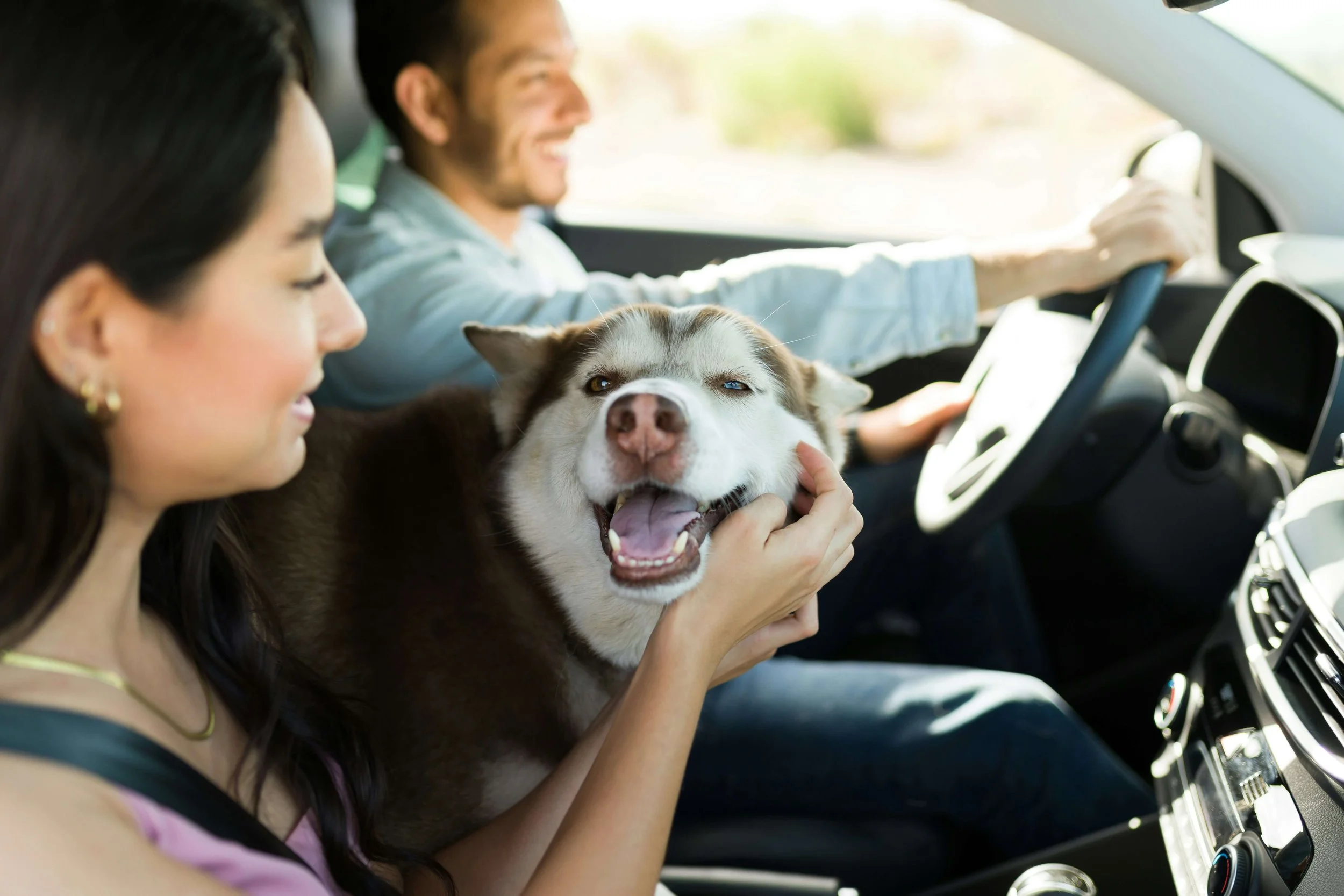
Picture this: You're trying to drive to the dog park, but your 60-pound Labrador is bouncing from window to window, trying to climb into the front seat, and generally treating your back seat like a personal obstacle course. Meanwhile, you're white-knuckling the steering wheel, calling "Sit! Stay!" over your shoulder, and wondering how this became so stressful.
If you've got a dog who can't settle in the car, you're not alone. Restless car behavior is one of the most common complaints among dog owners—and one of the most solvable. Let's figure out why your dog won't calm down and, more importantly, what you can do about it.
Why Dogs Get Restless in Cars
Before we solve the problem, we need to understand it. Dogs get restless in cars for different reasons, and the solution depends on the cause.
Excitement
Some dogs view car rides as pure adventure. Every trip might mean the dog park, the pet store, or other exciting destinations. This anticipatory excitement manifests as:
Pacing back and forth
Whining or barking
Trying to look out all windows at once
Attempting to climb into the front seat
Jumping on and off seats
The tell: This dog is happy, with a wagging tail and bright expression. The behavior starts the moment they see the car.
Anxiety
Other dogs find car rides genuinely stressful. Their restlessness comes from nervousness, not excitement. Signs include:
Excessive panting (when temperature is comfortable)
Drooling more than usual
Trying to hide or escape
Shaking or trembling
Pacing without apparent joy
Whining with a worried expression
The tell: This dog looks distressed, not excited. The behavior might worsen as the trip continues.
Motion Sickness
Just like humans, dogs can get carsick. Young puppies are especially prone to this, though most outgrow it. A dog experiencing nausea:
Refuses to settle or lie down
Smacks their lips or drools excessively
Makes frequent swallowing motions
Might vomit or try to vomit
Shows no interest in treats
Looks miserable despite not being fearful
The tell: Symptoms worsen during the drive and improve after the car stops.
Lack of Training
Some dogs simply haven't learned that car time means calm time. Without guidance, they treat the car like any other stimulating environment:
Reacting to everything outside the windows
Trying to "participate" in driving
Treating the back seat as a play area
Not understanding the stay in one spot concept
The tell: The dog isn't distressed or sick—they just think this is playtime.
Insufficient Exercise
A dog with pent-up energy will struggle to settle anywhere, including cars. This manifests as:
Inability to stay in one position
Extra sensitivity to passing stimuli
Excessive energy despite long car rides
Immediately running around after exiting the car
The tell: The same dog shows similar restlessness at home or in other confined situations.
Solutions by Problem Type
For the Excited Dog
Strategy: Make car rides boring (temporarily)
Short-term approach:
Take your dog on frequent, short drives that go nowhere exciting
Drive around the block and come home
Park in a parking lot for five minutes, then return home
Make 80% of car trips mundane
Why it works: When car rides stop predicting exciting destinations, the anticipatory excitement decreases.
Long-term approach:
Only allow your dog in the car when they're calm
If they get excited before getting in, wait. Do something else. Try again in 10 minutes
Gradually shape the expectation that cars require calmness
Progressive exercise:
Week 1: Dog must sit calmly before car door opens
Week 2: Dog must remain calm while getting in
Week 3: Dog must settle within 2 minutes of starting to drive
Week 4+: Maintain these standards consistently
For the Anxious Dog
Strategy: Build positive associations gradually
Desensitization process:
Phase 1 (Stationary car):
Sit in the parked car together with the door open
Bring high-value treats
Stay for 2-5 minutes, feeding treats for calm behavior
Exit before dog gets stressed
Repeat daily until dog relaxes
Phase 2 (Engine on, not moving):
Start the engine while parked
Continue treat-feeding for calmness
Keep sessions short (3-5 minutes)
Turn off engine while dog is still calm
Repeat until this becomes boring
Phase 3 (Very short drives):
Drive to the end of the driveway and back
Progress to around the block
Always end before anxiety peaks
Gradually increase distance
Helpful additions:
Calming aids: Try Adaptil spray, calming treats, or consult your vet about anti-anxiety medication for severe cases
Thundershirt or anxiety wrap: Gentle pressure can help some anxious dogs
Crate with cover: Creates a "den" that some dogs find comforting
Familiar scents: Bring an unwashed t-shirt that smells like you
Important: Never force an anxious dog. Flooding (forcing exposure) often makes anxiety worse. Slow, positive progress is the goal.
For the Car Sick Dog
Strategy: Address the physical problem
Immediate solutions:
Face forward: Dogs experience less motion sickness when they can see forward movement. Position crates or harnesses so your dog faces front
Lower window slightly: Fresh air helps many dogs
Avoid feeding before travel: Wait 2-3 hours after eating before car rides
Drive smoothly: Avoid sudden stops and sharp turns when possible
Medical approach:
Over-the-counter options (consult your vet first):
Dramamine (meclizine): 2-4 mg per pound, 30-60 minutes before travel
Ginger treats: Natural anti-nausea properties
Cerenia: Prescription medication specifically for dog car sickness
Long-term solution: Most puppies outgrow car sickness by one year old. Regular, short trips help them adjust faster. Adult dogs with persistent car sickness should see a vet to rule out ear problems or other issues.
Timing trick: Try driving when your dog is naturally tired—after a long walk or play session. They're more likely to sleep through the nausea.
For the Untrained Dog
Strategy: Teach car-specific behavior
Foundation training:
Step 1: Define the spot
Choose where you want your dog to settle (center seat, left side, etc.)
Place a specific blanket or mat in that location
Practice the "place" command at home first
Step 2: Practice stationary
In the parked car, guide your dog to their spot
Reward them for staying there for increasing durations
Start with 10 seconds, work up to 5 minutes
Use high-value treats
Step 3: Add motion
Start the engine (dog stays on their spot = treat)
Drive to the end of the driveway (dog stays = treat)
Gradually extend trips while rewarding calm behavior
Key rule: If your dog breaks position, immediately stop the car (safely), reset them, and try again. Consistency matters more than perfection.
Management tools:
While training, use:
Tether to seatbelt: Limits how far your dog can move
Car hammock: Creates a defined space
Barrier between front and back: Removes the "can I get up there?" question
For the Under-Exercised Dog
Strategy: Tire them out first
Pre-trip exercise guidelines by dog type:
High-energy breeds (Border Collies, Australian Shepherds, Huskies):
30-45 minutes of vigorous exercise before car trips
Include mental stimulation (training, puzzle toys)
Consider a dog backpack for walks (added weight helps tire them faster)
Moderate-energy breeds (Labs, Goldens, Beagles):
20-30 minutes of good exercise
Quick training session or play time
A walk with some running or fetch
Low-energy breeds (Bulldogs, Basset Hounds, older dogs):
10-15 minute walk
Mental enrichment
Bathroom break
The timing sweet spot: Exercise 30-60 minutes before departure. This gives your dog time to cool down and drink water without making them uncomfortable in the car.
Universal Strategies That Help Every Dog
Regardless of your dog's specific issue, these approaches help:
Create a Routine
Dogs thrive on predictability. Establish a pre-car routine:
Put on their harness or leash
Walk calmly to the car
Enter on command ("load up," "in," or "car time")
Get settled in their designated spot
Receive a small treat for compliance
Consistency is everything. The same routine every time teaches your dog what to expect.
Use the Right Restraint
A properly restrained dog has fewer options for restless behavior:
Harness and seatbelt tether: Limits range of motion while allowing sitting, lying, and looking out windows
Secured crate: Provides clear boundaries and can feel safe to anxious dogs
Car seat (for small dogs): Elevates them to see out while keeping them contained
Important: The restraint itself won't solve restlessness, but it prevents restlessness from becoming dangerous.
Make the Car Comfortable
Temperature: Dogs overheat faster than humans. Err on the cooler side.
Bedding: A familiar blanket or bed makes the space more inviting.
Position: Where possible, avoid putting dogs in cargo areas with reduced visibility and airflow.
Toys: For longer trips, a favorite chew toy can provide appropriate distraction.
Monitor Without Feeding the Behavior
Here's a common trap: Your dog acts restless, you turn around to check on them, they respond to your attention by getting more excited, and the cycle continues.
Better approach: Use a clip-on mirror to monitor your dog without turning around. This lets you verify they're okay without rewarding attention-seeking behavior.
The rule: Attention (eye contact, talking, touching) only happens when your dog is calm. Never reward anxious or hyperactive behavior, even accidentally.
Plan Strategic Stops
For longer trips:
Stop every 2-3 hours minimum
Let your dog fully exit the car, walk, use the bathroom, and drink
Don't immediately restart driving—give 5-10 minutes of calmness
Watch for signs of car sickness or stress
These breaks prevent the buildup of frustration, energy, or nausea that leads to restlessness.
When to Seek Professional Help
Sometimes DIY solutions aren't enough. Consider consulting a professional if:
Anxiety is severe or worsening despite desensitization efforts
Your dog's car sickness persists despite medication
Restless behavior creates dangerous driving conditions
You've tried these approaches consistently for 6-8 weeks without improvement
Your dog shows signs of panic (trying to escape, excessive drooling, trembling)
Who to contact:
Veterinarian: For car sickness, anxiety medication, or physical causes
Certified dog trainer (CPDT-KA): For behavior training
Veterinary behaviorist: For severe anxiety or complex behavioral issues
Measuring Progress
Restless car behavior rarely disappears overnight. Track improvement by noting:
How long does your dog take to settle? (goal: within 5 minutes of starting to drive)
How long do they stay settled? (goal: entire trip)
How excited are they at the beginning? (goal: calm entry)
How stressed do they appear? (goal: relaxed body language)
Realistic timeline:
Weeks 1-2: Establish routine, see small improvements
Weeks 3-4: Dog starts anticipating routine, settles faster
Weeks 5-8: Noticeable progress, occasional backsliding
Month 3+: New habits established, car rides are calm
Remember: Every dog is different. Puppies and young dogs often improve faster than adults with years of established patterns.
The Bottom Line
A dog who won't settle in the car isn't trying to make your life difficult—they're responding to excitement, fear, discomfort, confusion, or excess energy. Once you identify the specific cause, you can implement targeted solutions.
The combination of proper exercise, consistent training, appropriate restraints, and patience will transform most restless car dogs into calm passengers. Some dogs will never love car rides, but almost all can learn to tolerate them quietly.
Your goal isn't to create a dog who loves every car ride—it's to create a dog who accepts car rides as a normal, manageable part of life. That's a goal worth working toward, because both you and your dog deserve stress-free travels together.
Managing a restless dog is easier when you can monitor them safely. Learn about tools that let you keep tabs on your dog without creating more distraction.
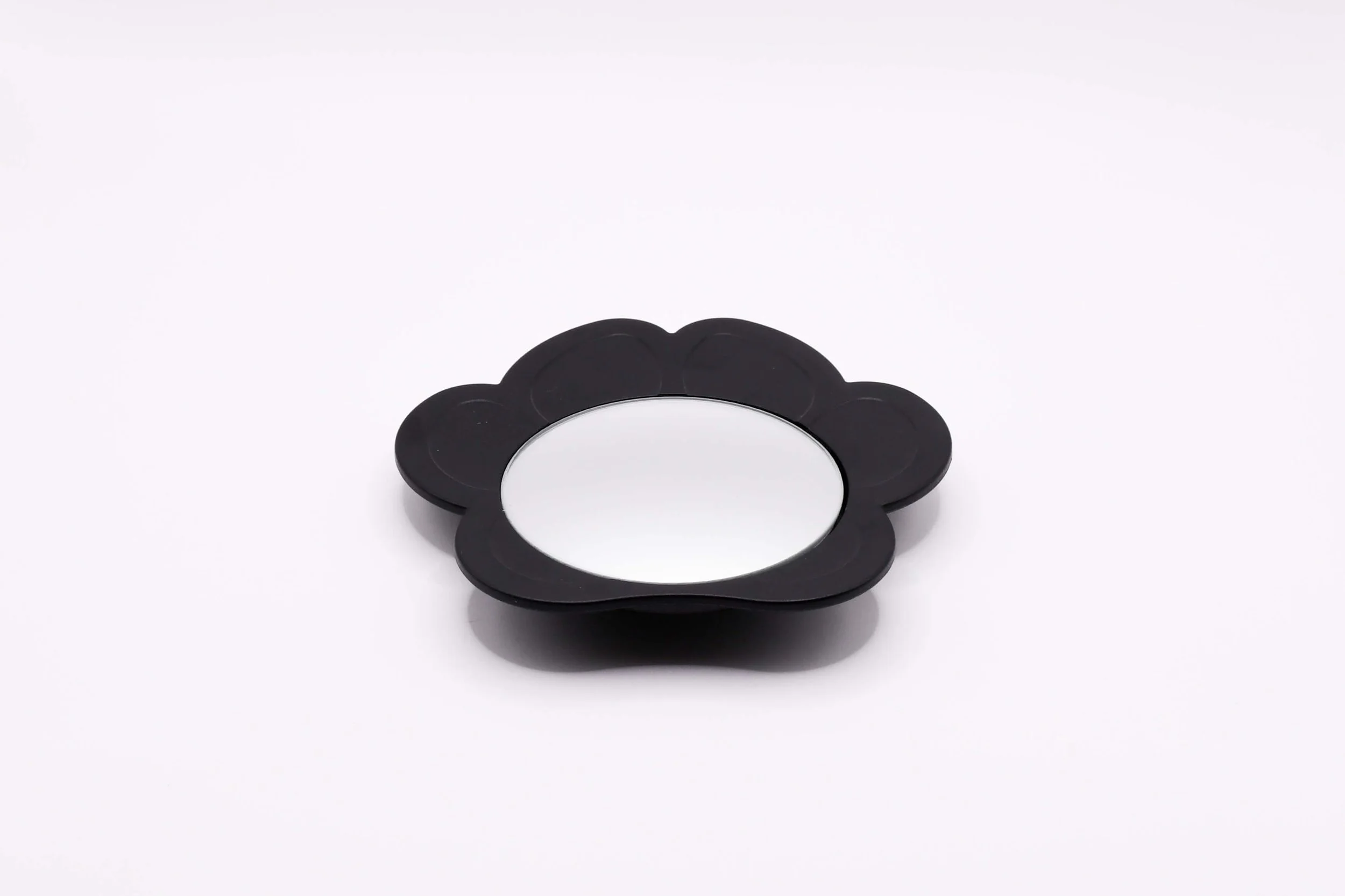
Keep an eye on your furry ones with the Whisker Watch Pet Mirror. Easily to install on your rear-view mirror, the Whisker Watch let’s you keep an eye on your pet in the backseat of your car without having to be distracted.